The GLP-1 Price Maze: Navigating Ozempic, Wegovy, and Cheaper Alternatives Without Getting Lost
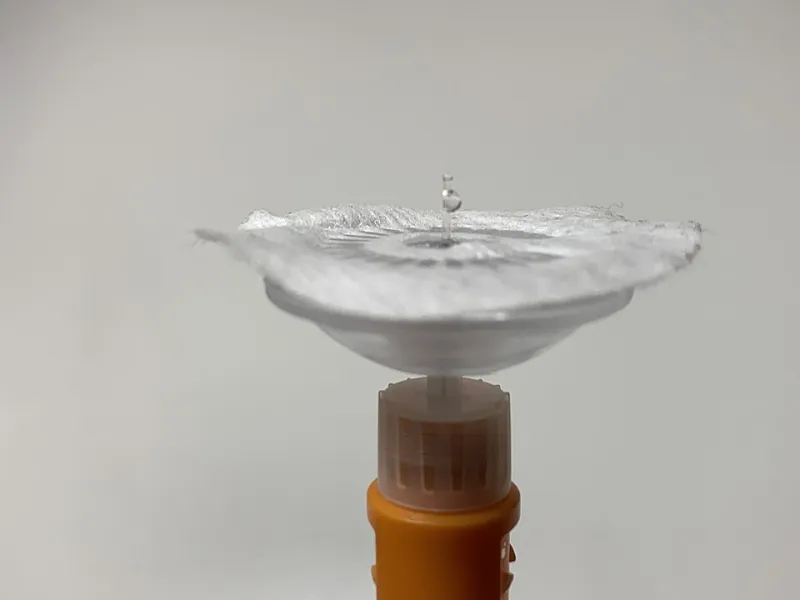
Photo: Marius Vassnes, CC BY-SA 4.0, via Wikimedia Commons
Few categories in modern American pharmacy have generated as much pricing confusion as GLP-1 receptor agonists. Drugs like semaglutide (sold as Ozempic for type 2 diabetes and Wegovy for chronic weight management) and tirzepatide (Mounjaro for diabetes, Zepbound for obesity) have surged in demand while simultaneously exposing the full dysfunction of US prescription drug pricing. Depending on where a patient fills their prescription, what insurance they carry, and which assistance programs they qualify for, monthly costs can range from under $100 to well above $1,000 — for the exact same medication.
For the millions of Americans currently using or considering these drugs, understanding the true price landscape is not merely academic. It is the difference between maintaining a treatment that works and abandoning it because the cost became unsustainable.
What These Drugs Actually Cost at the Pharmacy Counter
Without insurance or any discount program, the list prices for brand-name GLP-1 medications are among the highest in the retail pharmacy market. As of mid-2025, approximate retail cash prices for a one-month supply are as follows:
- Ozempic (semaglutide, 0.5–1mg weekly injection): $935–$970
- Wegovy (semaglutide, 2.4mg weekly injection for weight loss): $1,300–$1,350
- Mounjaro (tirzepatide, various doses for diabetes): $1,020–$1,070
- Zepbound (tirzepatide, various doses for weight loss): $1,060–$1,110
- Victoza (liraglutide, older GLP-1 for diabetes): $600–$650
These figures represent what a patient without insurance or coupons would pay at a standard retail pharmacy such as CVS, Walgreens, or Rite Aid. They are, for most American households, prohibitive.
The Insurance Coverage Gap
Insurance coverage for GLP-1 drugs varies dramatically depending on the indication. Because Ozempic and Mounjaro carry FDA approval for type 2 diabetes management, most commercial insurance plans and Medicare Part D plans now cover them — though with prior authorization requirements and often substantial cost-sharing. A patient with solid commercial insurance might pay $25 to $50 per month after meeting their deductible.
The situation is considerably more complicated for the weight-loss-approved versions. Wegovy and Zepbound are prescribed specifically for chronic obesity management, and many insurance plans — including most Medicare Part D plans, which are prohibited by federal law from covering weight-loss drugs — exclude them entirely. This creates a two-tier system in which a patient with type 2 diabetes may pay $30 per month for semaglutide while a patient seeking the same drug for obesity without a diabetes diagnosis pays full retail price.
Employer-sponsored plans vary enormously. Some large self-insured employers have added GLP-1 obesity coverage in recent years; many others have explicitly excluded it due to the cost implications at scale. Patients should review their plan's formulary carefully and, if coverage is denied, understand the appeals process — particularly if a prescribing physician can document obesity-related comorbidities.
Manufacturer Savings Programs: Real Help With Significant Limitations
Both Novo Nordisk (maker of Ozempic and Wegovy) and Eli Lilly (Mounjaro and Zepbound) offer savings card programs for commercially insured patients.
Novo Nordisk's savings program for Ozempic can reduce out-of-pocket costs to as little as $25 per month for eligible patients. Wegovy has a similar program. However, these programs are explicitly unavailable to patients with government insurance, including Medicare, Medicaid, and VA coverage. They also require that the patient have commercial insurance that covers the drug — a requirement that excludes many of the people who need financial assistance most.
Eli Lilly's savings programs for Mounjaro and Zepbound follow a similar structure. Zepbound's savings card has been available at $25 per month for eligible insured patients, and Lilly has also offered a direct-pay option through its LillyDirect platform that bypasses traditional pharmacy channels entirely.
Compounded Semaglutide: Lower Cost, Higher Risk
During periods of FDA-declared shortage, compounding pharmacies were legally permitted to produce copies of semaglutide and tirzepatide for patients without access to the brand-name versions. Prices from compounding pharmacies ranged from $150 to $400 per month — far below retail brand pricing — and a significant market developed around telehealth companies offering compounded GLP-1 prescriptions through direct-to-consumer platforms.
As of early 2025, the FDA declared the shortage of semaglutide resolved and moved to restrict compounding of the drug, a decision that was being contested in federal court as this article was prepared. Patients currently using compounded versions should monitor regulatory developments closely, as the legal landscape governing availability remains in flux. Compounded medications also carry quality control considerations that branded, FDA-approved products do not — a meaningful risk factor for injectable medications.
Generic and Biosimilar Alternatives on the Horizon
The arrival of generic or biosimilar competition for GLP-1 drugs remains a longer-term prospect. Semaglutide's US patents are not expected to expire until the early 2030s, meaning meaningful generic competition is still years away for brand-name versions. However, oral semaglutide (Rybelsus) and older GLP-1 agents such as liraglutide and exenatide are available at lower price points and, in some cases, may be clinically appropriate alternatives for patients whose primary goal is glucose management rather than the higher-dose weight-loss applications.
Patients whose physicians are open to therapeutic alternatives should ask specifically about older GLP-1 medications with established generic availability, as these can represent substantial cost reductions for diabetes management in particular.
Practical Steps to Lower Your GLP-1 Costs
For patients currently paying full price or facing coverage gaps, several actionable strategies are worth pursuing:
-
Verify formulary placement annually. Insurance formularies change each plan year. A drug that was excluded last year may now carry Tier 3 or Tier 4 coverage.
-
Apply for manufacturer savings programs before assuming ineligibility. Eligibility criteria are specific, but many commercially insured patients who have not applied assume they do not qualify when they would.
-
Ask your prescriber about the diabetes indication. For patients who have both type 2 diabetes and obesity, prescribing the diabetes-indicated version (Ozempic rather than Wegovy) may unlock insurance coverage that would otherwise be denied.
-
Compare cash prices across platforms. Cost Plus Drugs, GoodRx, and direct pharmacy pricing tools can reveal meaningful variation even for brand-name drugs where discounts are available.
-
Explore patient assistance programs. Both Novo Nordisk and Eli Lilly maintain patient assistance programs for uninsured or underinsured patients with documented financial need. These programs are separate from the savings card programs and have different eligibility criteria.
The Broader Pricing Problem
The chaotic pricing of GLP-1 medications is not an anomaly — it is a concentrated illustration of how US pharmaceutical pricing works when a drug is both enormously effective and enormously expensive to manufacture at scale. The same semaglutide molecule can cost $25, $400, or $1,300 per month depending entirely on who is paying, through which channel, and under what circumstances.
For patients navigating this landscape, the single most important principle is this: never assume the price you were first quoted is the price you have to pay. The GLP-1 market, for all its complexity, contains genuine savings opportunities for patients willing to investigate their options systematically.